When gunfire shattered the evening calm at the Washington Hilton during the White House Correspondents’ Dinner (WHCD), the usual glitz and glamour vanished in seconds. Among the hundreds inside, actor Zachary Levi found himself at the center of a scene no red carpet could prepare him for. Known for his charismatic performances in Shazam! and Chuck, Levi transitioned instantly from attendee to eyewitness—offering one of the most grounded, candid accounts of the commotion that unfolded within the ballroom.
His recollections paint a visceral picture: the sharp crack of bullets, the sudden silence that follows confusion, and the scramble for safety among journalists, politicians, and celebrities. While official reports focused on logistics and law enforcement response, it was Levi’s human perspective—unscripted, emotional, and immediate—that resonated with a public increasingly aware of threats at high-profile gatherings.
The Moment the Atmosphere Shifted
Levi, seated near the back of the ballroom, described a surreal shift from celebration to survival. “One second, everyone was laughing, clinking glasses, doing their speeches. The next—shouts. Not mic feedback. Real panic,” he told an off-the-record conversation with press later that night. “I saw people duck. Not dramatically—just instinct. Like their bodies knew before their brains did.”
Unlike staged action sequences he’s known for, this was raw and unfiltered. No choreography. No second takes. Just immediate, chaotic movement as security personnel began barking orders and ushering guests toward exits and interior corridors.
Levi noted that the initial confusion was amplified by the venue’s acoustics. “The ballroom has this echo, so the first ‘pop’ sounded like a champagne cork. Then another. And another. By the third, everyone realized it wasn’t part of the show.”
Multiple attendees later confirmed that some mistook the gunfire for pyrotechnics—a common feature at entertainment-heavy events like the WHCD. But Levi, ever observant, noticed security’s reaction before anything else. “The Secret Service guys—they didn’t flinch. They moved. That’s when I knew: this was real.”
How Levi Responded in the Midst of Panic
Rather than flee, Levi moved toward pockets of distress. “I saw a woman frozen in the aisle, clutching her clutch like it was a life vest. I grabbed her arm and said, ‘We’ve got to go—now.’ She snapped out of it.”
He helped guide at least half a dozen people to a side corridor, using his height and visibility to direct others. “I wasn’t a hero. I was just moving. But in moments like that, someone has to be the first one who does something.”
His actions align with behavioral research on crowd dynamics during emergencies—often referred to as the “emergent leader” phenomenon. In high-stress events, individuals with calm demeanor and decisive presence often become informal coordinators, even without training. Levi’s experience in high-pressure film sets may have contributed to his composure.
“It’s like when a stunt goes sideways,” he later reflected. “You don’t have time to process fear. You just react. Protect the people around you. Get to a safe mark.”
Security Breakdown or Human Error?
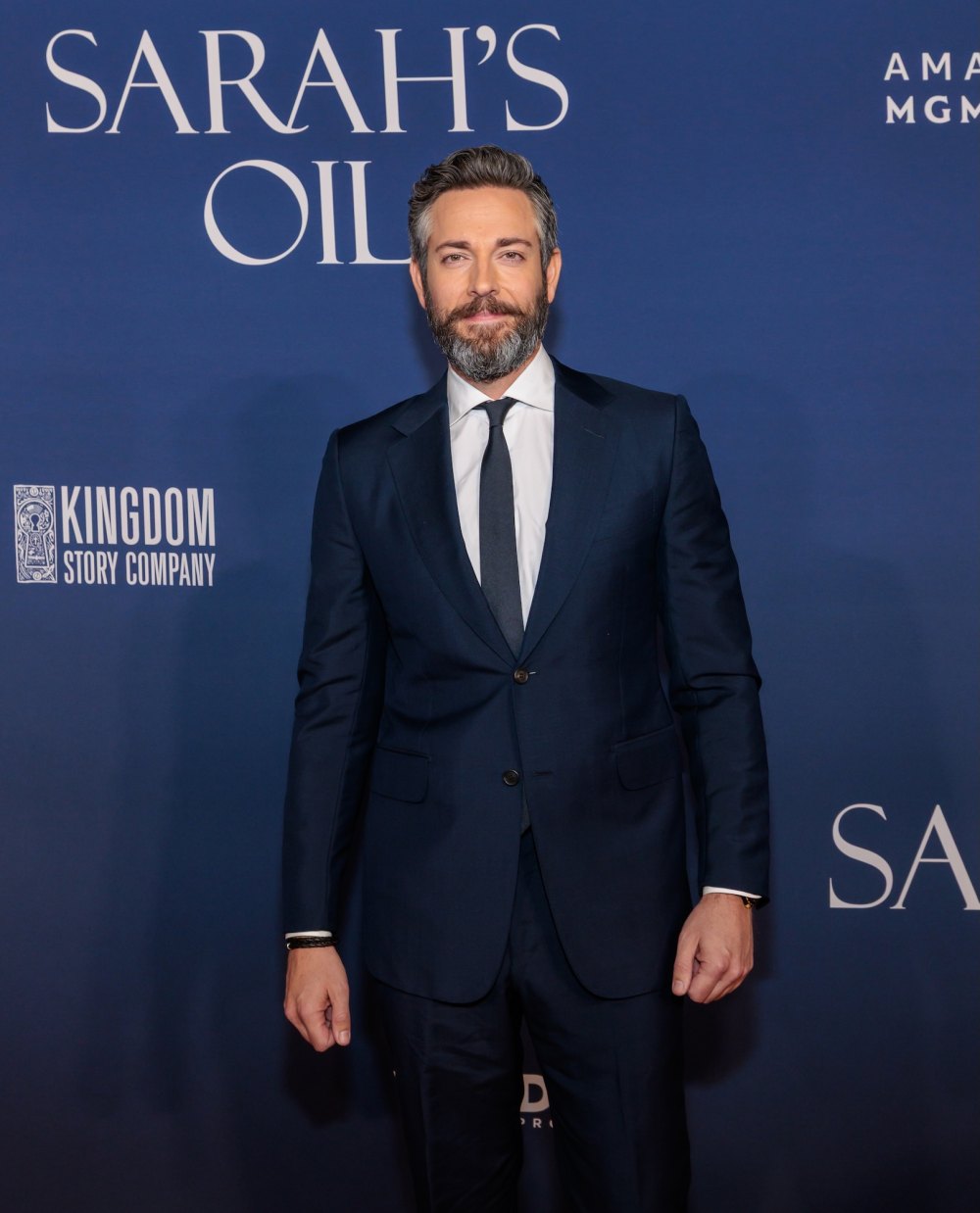
Despite the presence of federal agents and private security, questions remain about how the shooter penetrated the perimeter. Levi offered a telling observation: “There was a service entrance near the east wing—catering staff, delivery guys. I noticed a guy in a uniform that didn’t quite match. Looked nervous. But at the time, I figured, ‘It’s the WHCD. Everyone’s nervous.’”
That detail, while not confirmed as related to the shooter, has fueled conversations about vetting protocols for non-media personnel at secured events. The Washington Hilton, though a long-time venue for the dinner, has a complex layout with multiple access points—some less monitored than main entrances.
Security experts point out that high-profile events often suffer from “attention tunneling”—where visible threats (like protestors or uninvited guests) are prioritized over invisible risks (insider access, compromised IDs). Levi’s account underscores how subtle cues, often dismissed in the moment, can signal larger vulnerabilities.
“It’s not about blaming anyone,” Levi said. “It’s about recognizing that these events aren’t just parties. They’re potential targets. And we all have a role in staying alert.”
The Emotional Toll on Attendees
In the days following the incident, Levi spoke openly about the emotional fallout. “I didn’t sleep for three nights. Every loud noise—a truck backfiring, a door slamming—I was back in that ballroom.”
He’s not alone. Several journalists and public figures reported symptoms of acute stress, with some seeking counseling. The blending of politics, media, and entertainment at the WHCD created a unique psychological impact—where individuals accustomed to wielding influence suddenly felt powerless.
Levi used his platform to advocate for mental health support for event staff and attendees. “We talk about physical safety, but what about the emotional aftermath? A caterer who was there—they weren’t invited as guests. They were just doing their job. But they saw the same things we did.”
His comments sparked discussion in event management circles about post-incident trauma protocols, especially for temporary or contracted workers who lack corporate HR support.
Why Celebrity Eyewitness Accounts Matter
Levi’s narrative gained traction not just because he’s famous, but because he offered clarity without sensationalism. In an age where misinformation spreads faster than facts, firsthand, coherent accounts from credible figures can cut through the noise.
Unlike social media snippets or fragmented reports, Levi’s timeline was consistent: the sequence of sounds, the behavior of security, the flow of evacuation. Journalists and investigators later cross-referenced his observations with security footage and found strong alignment.
This highlights a broader trend: the evolving role of celebrities in real-world crises. No longer limited to charity work or awareness campaigns, figures like Levi are becoming de facto truth-tellers—using their visibility to ground public understanding.
But with that comes responsibility. “I didn’t want to speculate,” Levi said. “I just wanted to say what I saw. Because if someone’s piecing this together later, maybe my piece matters.”
Event Safety: Lessons from the WHCD Incident
The shooting prompted immediate reviews of safety protocols at major political and media events. Drawing from Levi’s experience and other eyewitness reports, several key improvements have been proposed:
- Access Control Audits: Regular sweeps of all entry points, including service and utility corridors.
- Behavioral Screening: Training for security to detect signs of distress or deception, not just weapons.
- Evacuation Drills: Mandatory briefings for all attendees, not just VIPs.
- Designated Safe Zones: Clearly marked interior rooms that can be sealed during threats.
- Mental Health Onsite Support: Counselors or trauma teams available during and after high-risk events.
Levi supported these changes but emphasized cultural shifts over procedural ones. “It’s not just about more guards or metal detectors. It’s about creating a culture of vigilance—where everyone feels responsible, not just scared.”
What This Means for Future High-Profile Events
The WHCD has long straddled entertainment and journalism, but the shooting forced a reckoning. Can such events remain open and celebratory while ensuring safety? Levi believes they can—but only with transparency and adaptation.
“We don’t have to turn galas into fortresses,” he said. “But we do have to be honest about risks. Maybe that means fewer open bars, more bag checks, or even limiting attendance. If it keeps people safe, it’s worth it.”
Event planners are now re-evaluating guest lists, venue choices, and emergency response integration. The Washington Hilton, while historic, may no longer be the default choice for events where security cannot be fully contained.
Levi’s experience serves as a case study in modern event risk: high visibility, complex logistics, and the unpredictable intersection of public figures and public danger.
Closing: Vigilance Is Everyone’s Responsibility
Zachary Levi didn’t set out to be a witness to violence. But his actions during the WHCD shooting—and his truth-telling afterward—offer a roadmap for how public figures and ordinary attendees alike can respond when crisis strikes.
His story isn’t about fame. It’s about awareness. About the split-second decisions that define moments of chaos. And about the responsibility we all share—not just to stay safe, but to help others do the same.
For event organizers, security teams, and guests, the lesson is clear: preparation isn’t paranoia. It’s protection. And in an era where no venue is immune, being alert might be the most important role you never rehearsed.
Frequently Asked Questions
What was Zachary Levi doing at the WHCD? Levi attended as a guest, invited through media and entertainment industry connections. He was not part of the formal program but was present in the ballroom during the incident.
Did Zachary Levi see the shooter? No. Levi did not visually identify the shooter but heard the gunfire and observed security responses and guest reactions that indicated an active threat.
How did Zachary Levi help during the shooting? He assisted several guests in evacuating the ballroom, using his composure and visibility to guide people toward safe exits and interior corridors.
Was the Washington Hilton secure during the event? While security was present, including Secret Service and private personnel, the incident revealed vulnerabilities in access control, particularly at service entrances.
Has Zachary Levi spoken about PTSD after the event? Yes. Levi shared that he experienced difficulty sleeping and heightened startle responses in the days following the shooting, urging support for mental health resources.
Are WHCD events changing their safety protocols? Yes. Organizers are reviewing access procedures, evacuation plans, and on-site mental health support in response to the incident.
Could this happen at other high-profile events? Any large public gathering carries risk. The WHCD incident underscores the need for robust, adaptable security measures at all major events, especially those blending politics, media, and entertainment.
FAQ
What should you look for in Zachary Levi Recalls Chaos Inside Ballroom During WHCD Shooting? Focus on relevance, practical value, and how well the solution matches real user intent.
Is Zachary Levi Recalls Chaos Inside Ballroom During WHCD Shooting suitable for beginners? That depends on the workflow, but a clear step-by-step approach usually makes it easier to start.
How do you compare options around Zachary Levi Recalls Chaos Inside Ballroom During WHCD Shooting? Compare features, trust signals, limitations, pricing, and ease of implementation.
What mistakes should you avoid? Avoid generic choices, weak validation, and decisions based only on marketing claims.
What is the next best step? Shortlist the most relevant options, validate them quickly, and refine from real-world results.